THE ADAPTIVE MARKETER SERIES

One method. Three places to put it to work.

Every book in the series is built on the same idea: a motion that learns while it moves. Each one aims it at a different part of the business: your marketing, your go-to-market, and your growth economics. Pick the one that matches the problem in front of you. Each stands completely on its own.
THE Shared Idea

Marketing isn’t about having the right answer at the start. It’s about building a system that finds it faster than your competitors — and keeps every answer it finds.

Every book runs on that belief. What changes is where you point it.

For Marketing Leaders

Your marketing

Read the market’s signals and act on them before they show up in anyone’s quarterly report.

For Revenue Leaders

Your go-to-market

Get marketing, sales, and customer success running one loop instead of three versions of the company.

FOR GROWTH OWNERS

Your growth economics

Turn every cycle into momentum, so growth gets cheaper instead of starting over each quarter.

THE BOOKS

Same method. Different problem

Start with whichever book fits the job you’re doing today. Each one teaches the method from the ground up, so there’s no required reading order. Each links to its own page with the full description, table of contents, a free chapter, and the companion toolkit.

FOR MARKETING LEADERS

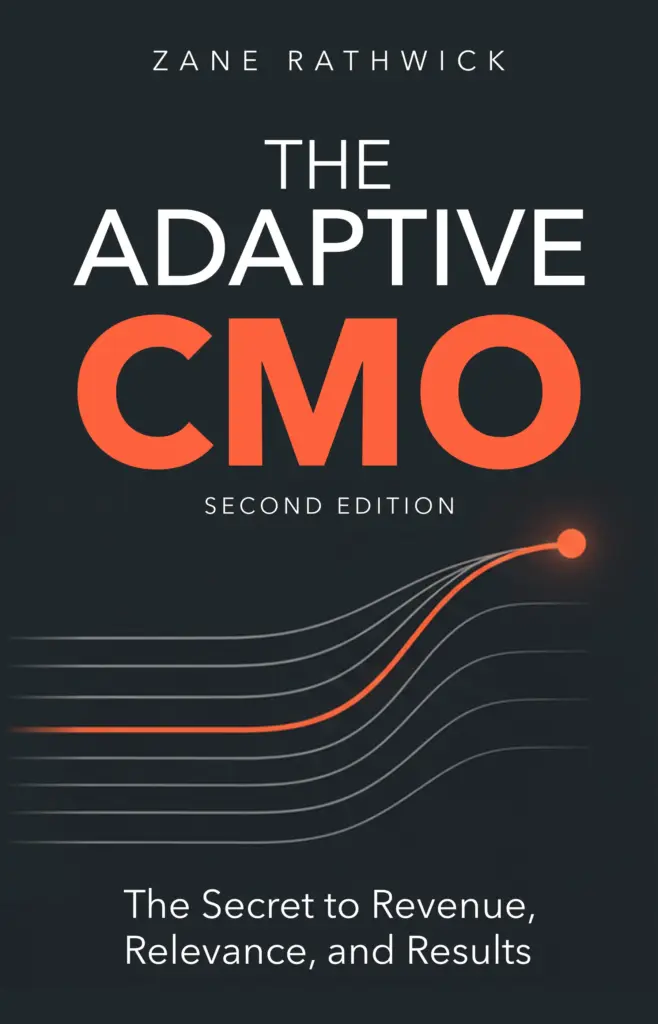
The Adaptive CMO

The Secret to Revenue, Relevance, and Results

Marketing is broken by design, built on a volume playbook that rewards making more instead of making sense. This book applies the adaptive method to the marketing function: the Signal Cycle, plus seven pillars that turn scattered activity into one motion that gets sharper every turn.

Second edition · Signal Cycle · seven pillars
FOR REVENUE LEADERS

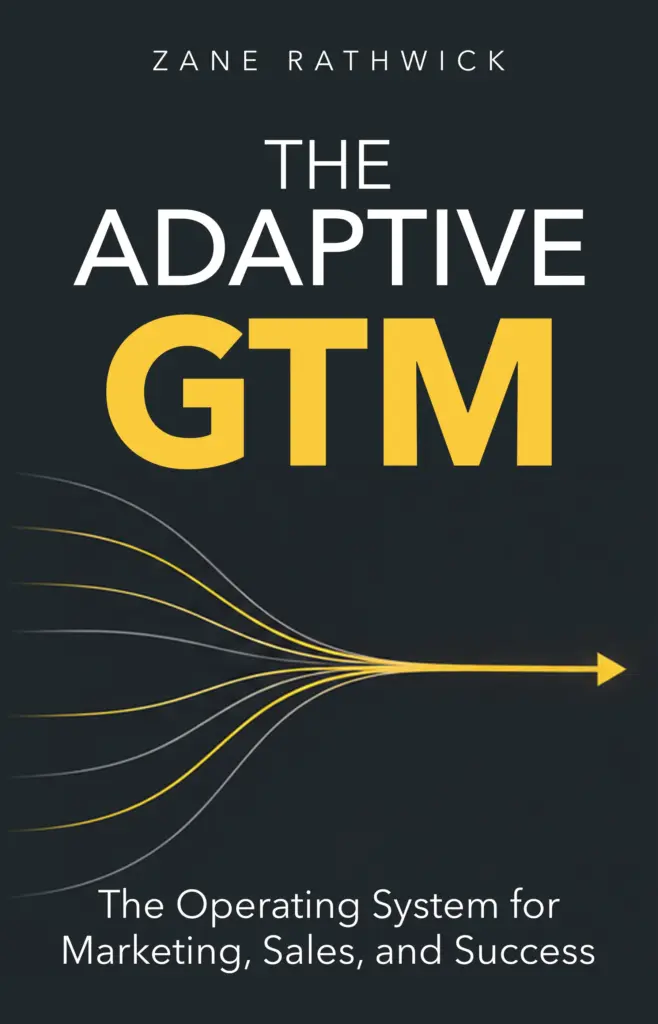
The Adaptive GTM

The Operating System for Marketing, Sales, and Success

When marketing, sales, and customer success each run their own version of the company, every team hits its numbers and revenue stalls anyway. This book applies the method across the whole revenue team: the GTM Loop, the Five Principles, the Six Terrains, and the tools that keep a fast-moving motion coherent. Comes with three free interactive tools.

15 chapters · a complete GTM operating system · 3 interactive tools
FOR GROWTH OWNERS · COMING EARLY 2027

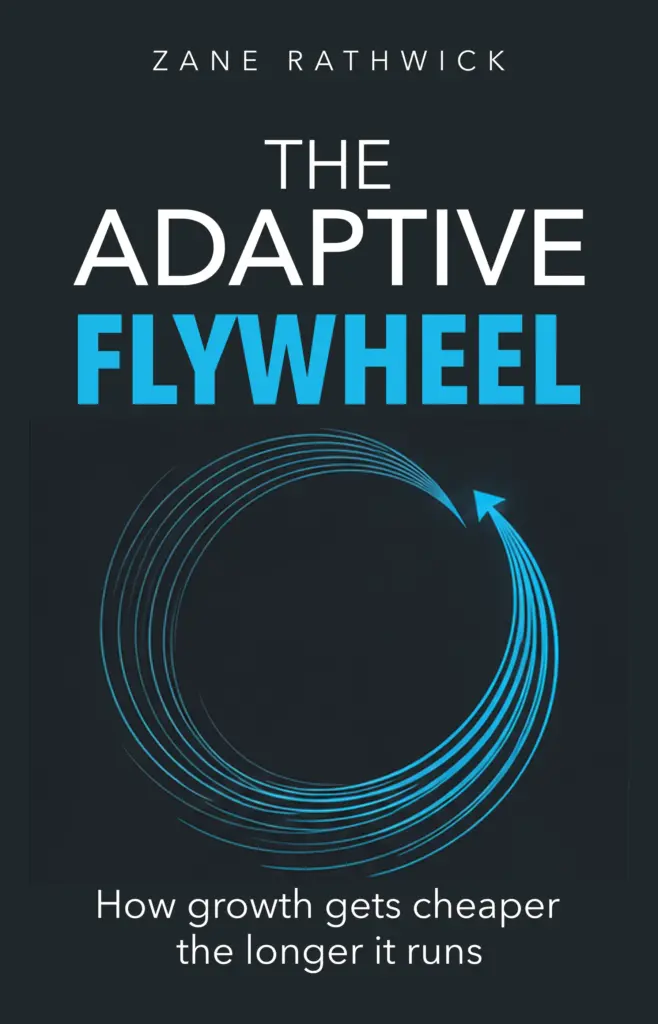
The Adaptive Flywheel

How growth gets cheaper the longer it runs

Most companies pay full price for every quarter’s growth, as if last quarter never happened. This book applies the method to growth economics: how each turn builds momentum, why the cost of growth should fall over time, and what it takes to get there. Motion vs. momentum, the three forces, and the physics of compounding.

16 chapters · five parts · coming early 2027
WHERE TO START

Start with your problem

There’s no required order. Pick the book that matches what’s keeping you up right now.

IF MARKETING FEELS LIKE MOTION WITHOUT PROGRESS

The Adaptive CMO

Your team is busy, the dashboards are full, and the needle barely moves. Start here to rebuild how marketing reads and responds to the market.

Adaptive CMO
IF YOUR TEAMS ARE TELLING DIFFERENT STORIES

The Adaptive GTM

Marketing, sales, and CS each hit their numbers while revenue stalls. Start here to get them running one system.

Adaptive GTM
IF GROWTH COSTS AS MUCH AS IT DID LAST YEAR

The Adaptive Flywheel

Every quarter feels like starting over. Start here to see how growth compounds and gets cheaper. Coming early 2027.

Coming early 2027
ABOUT THE AUTHOR

Meet Zane Rathwick.

I’ve spent twenty-plus years running B2B SaaS marketing, watching smart people do expensive things for defensible reasons, and signing off on a few myself. Startups scrounging for traction, companies in the blender of an acquisition, teams white-knuckling a public launch. Different logos, same job: figure out what the market is telling you before the competition does, and move before the window shuts.

Here’s what I couldn’t unsee: smart, funded, talented teams optimizing the wrong loop, faster. Heroic effort poured into an annual plan the market had quietly divorced in March. More content, more campaigns, more dashboards measuring the wrong thing to two decimal places. Everyone exhausted. Nobody moving. We called it execution. It was mostly motion.

These books came from the real world, not a conference stage where the case studies always work out. The examples are mine; I was in the room, usually the one on the hook for the number. I’ll repeat this until you want to throw a book across the room: marketing should get smarter as it moves, not in a retrospective, where insight becomes a slide nobody opens.